The Story Nobody Tells
Every guide to Demre talks about the same things: the Lycian rock tombs, the church where Santa Claus was buried, the sunken city you can see through the water. They’re extraordinary — and they are the reason you came. But there’s a story about this town that no travel website has ever told you, and it’s the one that explains everything you see from the moment you arrive: why the valley floor is covered in white plastic, why the streets empty at 5 a.m. and fill again at dusk, why the tomatoes at lunch taste better than any you’ve had at home, and why, despite having some of the most important archaeological sites on the Mediterranean, Demre has never become a resort town. The answer is agriculture. Specifically, greenhouses.
Demre is, first and foremost, a farming town. Tourism exists — you’re reading a travel guide, after all — but it runs alongside agriculture, not ahead of it. The greenhouses came to this valley sixty years ago and they changed everything: the economy, the landscape, the rhythms of daily life, and the character of the town itself. To visit Demre and not understand the greenhouses is like visiting Bordeaux and ignoring the vineyards. You could do it, but you’d miss the point.
The Revolution
Before the 1960s, the Demre plain was open farmland — fields of grain, pastures for livestock, groves of olive and citrus. The same river that had once fed Myra’s harbour irrigated a patchwork of small family farms. The valley was fertile but unremarkable, producing one seasonal harvest like any other Mediterranean lowland. What changed everything was a technology transfer from the other end of Europe.
In the early 1960s, local farmers learned about plastic greenhouse technology being used in the Netherlands. The idea was simple: cover a growing area with plastic sheeting to trap solar heat, extend the growing season, and protect crops from wind and frost. Dutch conditions demanded this technology because the Netherlands doesn’t get enough sun. Demre’s conditions made it revolutionary because Demre gets too much — more than 300 days of sunshine per year, with mild winters sheltered from northern winds by the wall of the Taurus Mountains.
The first greenhouses were small experiments — a few farmers stretching plastic sheets over wooden frames. Within a decade, the results were undeniable: tomatoes, peppers, aubergines, and cucumbers could be grown year-round, producing three or four harvests where open fields yielded one. The economics were transformative. A family that had subsisted on grain and olives could suddenly earn serious cash selling winter vegetables to Istanbul, Ankara, and the Antalya coast.
By the 1980s, the revolution was complete. The Demre plain — the same alluvial valley where Lycian senators had walked and Roman grain ships had loaded — was covered from mountain foot to coastline in a vast sheet of white plastic. The “Demre tomato” became a recognised brand in Turkish produce markets. The town’s population grew. Cash flowed. Concrete buildings replaced traditional stone houses. And Demre’s identity shifted permanently: no longer a sleepy fishing village with buried ruins, but an agricultural powerhouse that happened to have some of the most important archaeological sites on the Mediterranean coast.
My father is a greenhouse farmer — tomatoes and peppers, six days a week, up before dawn. When I tell visitors this, they’re always surprised. “But you run a travel site!” they say. And I tell them that’s exactly the point: most people who write about Demre have never met the people who actually live here. The ancient ruins are magnificent — but they’re not what pays the bills. The greenhouses pay the bills. And the people who work in them are the real story of this town.
What Grows Here
The greenhouse staples are vegetables that thrive under Mediterranean sun with controlled water: tomatoes above all (the region’s signature crop), followed by peppers in every variety — sivri (long green), dolma (stuffing peppers), and kapya (sweet red) — plus aubergines and cucumbers. These are grown year-round, with the primary harvest season running from November through May, when Demre’s winter sunshine allows continuous production while most of Turkey is out of season. This counter-seasonal advantage is the economic engine of the entire operation.
Outside the greenhouses, the picture is different and older. Orange groves still dot the valley — survivors of the pre-greenhouse landscape, related to the famous Finike orange but with their own local character. The orange harvest runs from November through March. Olive trees, less numerous now than a generation ago, produce oil for local use. Pomegranates grow well and appear at the Friday market in autumn. And in some of the remaining open fields, grain crops — the same basic agriculture that has fed this valley for millennia — still grow, though these fields shrink each year as new greenhouses are built.
| Product | Greenhouse / Open | Harvest Season | Market Notes |
|---|---|---|---|
| Tomato | Greenhouse | Nov–May (main), year-round | “Demre tomato” brand recognition |
| Pepper (sivri / dolma / kapya) | Greenhouse | Nov–May (main) | Dolma pepper most famous |
| Aubergine | Greenhouse | Dec–Apr | Winter aubergine sent to Istanbul |
| Cucumber | Greenhouse | Year-round | Continuous production |
| Orange | Open grove | Nov–Mar | Related to Finike orange, distinct flavour |
| Olive | Open grove | Oct–Dec | Local consumption, shrinking production |
| Pomegranate | Open grove | Sep–Nov | Market season |
A Day in the Greenhouse
The greenhouse day starts before the sun. At 5:00 a.m. in summer, 6:00 a.m. in winter, farmers are already inside the plastic-roofed structures, working while the temperature is still bearable. The morning shift — watering, pruning, checking for pests, harvesting ripe produce — runs until the heat becomes punishing, usually by 10:00 or 11:00 in summer. Then the greenhouses are left to bake. The farmers retreat home, eat lunch, rest. In the late afternoon, as temperatures drop, they return for a second shift that runs until dusk.
This rhythm defines Demre’s daily life in ways that tourists rarely notice. It’s why the streets are empty at dawn — everyone is already at work. It’s why the tea gardens fill at midday — this is rest time. It’s why the Friday market starts at seven in the morning — farmers shop before or between shifts. And it’s why Demre has never developed the evening culture of nearby Kaş: people who wake at five don’t stay up until midnight. The town goes quiet by nine o’clock, and that’s not a failing — it’s a consequence of an economy built on physical labour in extreme heat.
The greenhouse workforce includes a significant population of seasonal agricultural workers, many from eastern Turkey and, increasingly, from Syria. These workers arrive for the main harvest season and live in basic accommodation near the fields. Their presence is a visible part of Demre’s social landscape — walking through the town in the early morning, you’ll see groups heading to the greenhouses. It’s an aspect of the town that no tourism brochure mentions, but it’s essential to understanding how the agricultural economy actually functions.
Thousands of hectares of plastic roofing absorb and re-radiate solar energy, creating a measurable heat island over the Demre valley. This is why Demre feels noticeably hotter than Kaş or Kalkan in summer, despite being on the same stretch of coast. In July and August, the greenhouse-amplified heat can push temperatures to 40–42°C in the valley. Visitors should plan accordingly — see the Weather & Best Time guide for seasonal strategies.
The Friday Market
If you’re in Demre on a Friday, go to the market. This is not a suggestion — it’s the single best thing you can do to understand how this town actually works. The weekly pazar takes over the streets of the town centre from 07:00 until about 14:00, and it is emphatically a local market, not a tourist attraction. Farmers from the surrounding greenhouses and groves sell directly to the townspeople: tomatoes still warm from the plastic roof, peppers in every size and colour, cucumbers, fresh herbs, seasonal fruit, local honey, olives cured in a dozen different ways, spices, preserves, and household goods.
The experience of buying a kilo of tomatoes from the woman who grew them, while her husband is still at the greenhouse harvesting the next batch, is the kind of food chain transparency that farm-to-table restaurants in London or New York spend fortunes trying to replicate. Here it costs pennies and happens every Friday without ceremony. Arrive by 08:00 for the best selection. Bring a bag. Taste whatever is offered to you (vendors regularly offer samples, especially of cheese, honey, and olives). And if a teyzeler (older lady vendor) offers you çay — accept it. That’s not a sales tactic. That’s hospitality.
The taste of a tomato from the Friday market — I’m sorry, but you will not find it in an Istanbul supermarket. Even a greenhouse tomato tastes different here, because the sun beats down golden for 300 days a year. My mother picks out vegetables at the market the way a sommelier picks wine: she knows which farmer’s peppers have the best flavour this season, which stall has the first pomegranates of autumn, which honey is from the mountain villages above and which is from the coastal hives. If you want the real Demre food experience, skip the restaurant guide and go to the pazar on Friday morning.
The Orange Groves
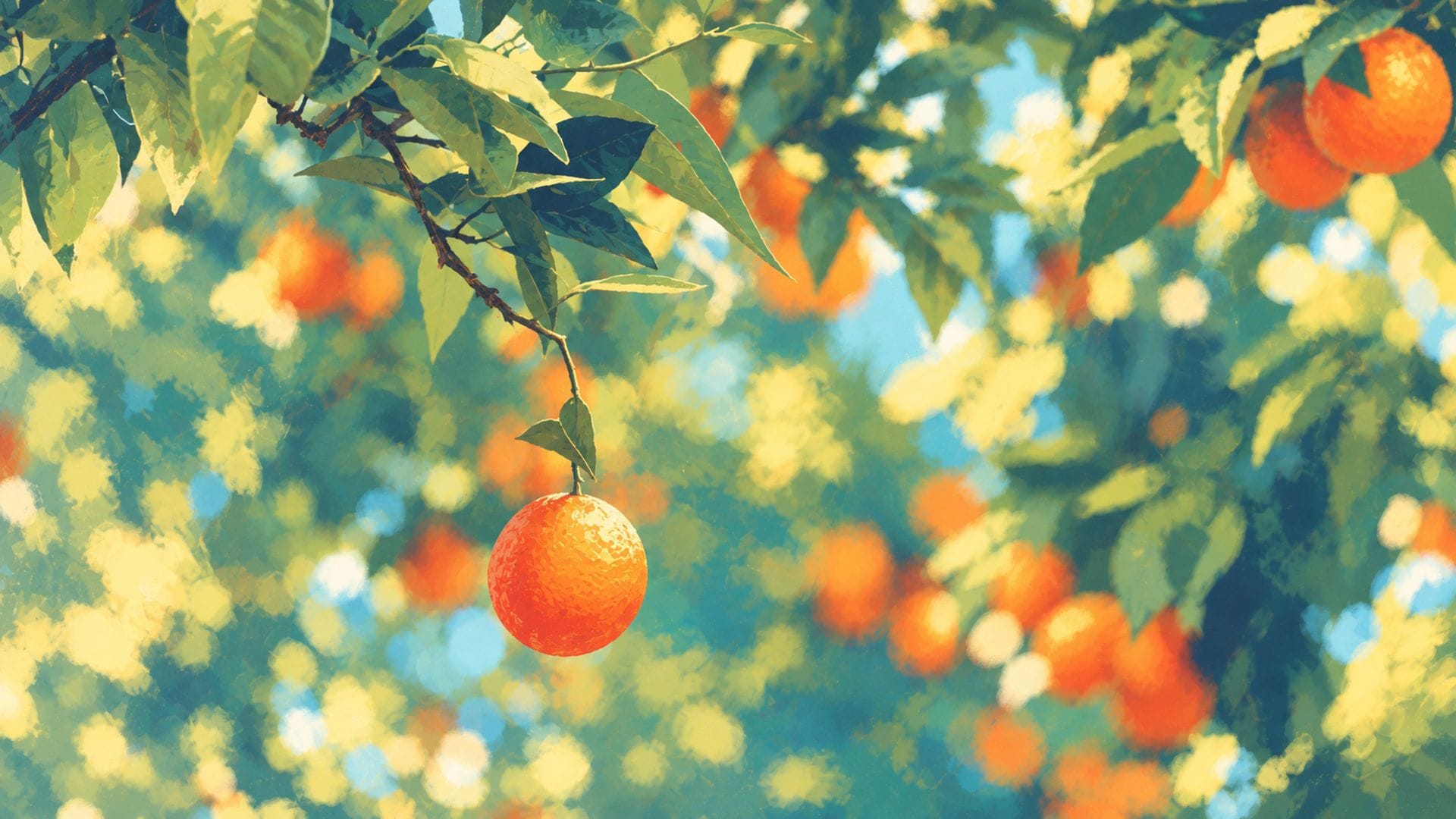
Before the greenhouses, Demre was known for citrus. Orange and lemon groves covered much of the valley floor, and the scent of citrus blossom in spring was the town’s natural perfume. Many of those groves have been replaced by more profitable greenhouses over the decades — but some remain, especially between the town centre and the Andriake coast, and they are quietly beautiful.
The Demre orange is a cousin of the more famous Finike orange (Finike is the neighbouring town, 30 km east) but has its own character — slightly sweeter, locals claim, because of the specific soil and microclimate of the Demre valley. The harvest season runs from November through March. In late March and April, the surviving groves burst into blossom, releasing a sweet citrus perfume that drifts across the valley. Walking through the groves in late afternoon light — unpaved farm tracks between the trees, the Taurus Mountains rising behind — is one of Demre’s most underrated experiences.
When I was a child, we used to run through the orange groves — the trees came right up to the edge of our garden. Now most of those groves are greenhouses. We gained something: cash, jobs, a future for a town that was shrinking. We lost something: the scent of blossom in spring, the shade under the trees, a certain way of life that moved slower. Demre’s story is exactly that trade-off. If you walk between the remaining groves near Andriake in November, with the oranges bright on the branches and a greenhouse just visible through the trees, you’ll see both Demre’s past and present in a single frame.
Tensions & Trade-offs
The greenhouse revolution created tensions that persist today. The Demre valley is simultaneously one of the most productive agricultural plains on the Turkish Mediterranean and one of the richest archaeological zones. Expanding greenhouse operations sometimes encroach on areas with archaeological potential — construction work regularly unearths ancient fragments, and the line between farmland and protected zone requires constant negotiation between farmers, the archaeology directorate, and local government. Drive past Myra and you’ll see the visual result: monumental Lycian rock tombs carved into the cliff face, with greenhouse rooftops stretching to the very edge of the archaeological site’s boundary. It is an extraordinary juxtaposition.
Water is the other pressure point. Greenhouse irrigation and the town’s growing urban demand draw from the same aquifers and the same river that once fed Myra’s harbour. In dry years, the competition intensifies. Newer greenhouse operations have adopted drip irrigation and water recycling systems that dramatically reduce consumption compared to the flood-irrigation methods of earlier decades — but the aggregate water demand of thousands of greenhouses remains enormous. Some farming families have begun experimenting with organic greenhouse cultivation and more sustainable practices, though these remain a small fraction of the total.
Perhaps the most significant tension is generational. Younger Demre residents, educated in Antalya or Istanbul, show less enthusiasm for the six-day-a-week, predawn-to-dusk physical reality of greenhouse farming. Some return to take over family operations; others stay in the cities. It’s the same story playing out in agricultural communities worldwide, but in Demre it carries a particular edge: the greenhouses are the town’s economic lifeline, and the question of who will work in them twenty years from now is one that everyone asks and nobody has answered.
For Visitors — How to Connect
Demre doesn’t have formal agritourism — no “greenhouse experience” tours, no farm-stay programmes, no vineyard-style tasting rooms. This may change in the future, but for now, connecting with the agricultural side of the town requires a little initiative and a willingness to step away from the usual tourist path.
The Friday Market
Covered in detail above. The single most accessible way to experience Demre’s agricultural culture. Open every Friday, 07:00–14:00, in the town centre. No planning needed — just show up, bring cash, and be open to conversation.
A Greenhouse Visit
There are no formal greenhouse tours. However, some farmers are willing to show visitors their operations if approached through a local intermediary — your pension or hotel owner is the best person to ask. A greenhouse visit is a strangely memorable experience: walking between rows of tomato plants under a plastic sky, feeling the trapped Mediterranean heat, seeing the drip irrigation systems and the packing operations — this is the engine that sustains the town, and almost no tourist has ever seen it from the inside. If your host can arrange it, go. If they can’t, don’t push — these are working operations, not attractions.
Orange Grove Walk
Between November and March (harvest season), walk or cycle through the orange groves between Demre centre and the Andriake coast. Some of the unpaved farm tracks are beautiful — orange trees heavy with fruit, the Taurus Mountains behind, and the occasional sera visible through gaps in the trees. In spring (late March–April), the blossom scent alone is worth the detour. No permission is needed to walk the tracks; the groves are open. Be respectful — don’t pick fruit without asking, close any gates behind you.
Eat What They Grow
The most natural way to experience Demre’s agriculture is at the table. Every meal in Demre is connected to the greenhouses — the tomatoes in your salad, the peppers in your dolma, the cucumbers on your breakfast plate. Eat at the lokantas in the town centre, where the produce comes from the greenhouses a few kilometres away, often harvested the same morning. Order pide with fresh vegetables. Drink ayran. And if the season is right, ask for taze sıkılmış portakal suyu (freshly squeezed orange juice) — it’ll be from a grove you can probably see from the restaurant window.
