Kekova
& Simena
Where a 2nd-century earthquake sank an entire city into the Mediterranean — and you can still see the ruins beneath the surface.
An Ecosystem of History and Sea
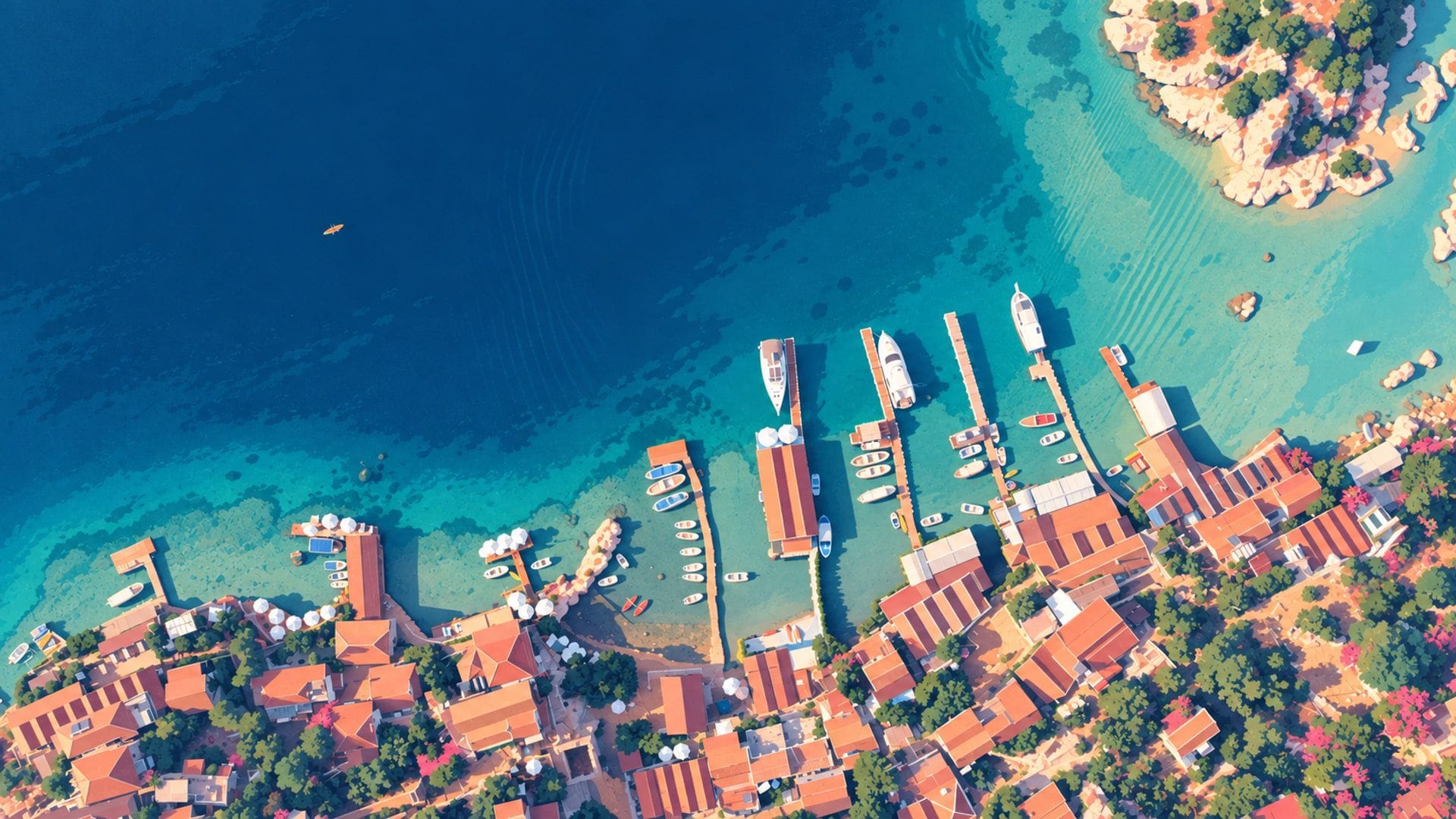
Kekova isn't just an island — it's an entire ecosystem where a sunken ancient city, a Byzantine hilltop fortress, and a quiet fishing harbour come together in one of the Mediterranean's most extraordinary protected landscapes.
The Kekova region encompasses three distinct that once thrived around this sheltered bay: Dolichiste on the southern shore of Kekova Island (now partially submerged), Simena on the hilltop now known as Kaleköy, and Teimiussa at the site of today's Üçağız village. All three were members of the , the ancient democratic federation that governed this coast centuries before Rome.
In the 2nd century CE, a devastating earthquake sank the southern coastline of Dolichiste into the sea — submerging houses, stairways, harbour walls, and water cisterns. Today, these ruins are visible beneath crystal-clear water, making Kekova one of the best-preserved underwater archaeological sites in the Mediterranean. The area was declared a Specially Protected Area (SPA) in 1990, one of Turkey's first.
Above the water, Simena Castle crowns the hilltop village of Kaleköy — a car-free settlement accessible only by boat or on foot, where Lycian sarcophagi sit in garden walls and narrow stone paths wind past Byzantine ruins. At the bay's western edge, Üçağız (ancient Teimiussa) serves as the departure point for boat tours and was selected as a UNWTO Best Tourism Village in 2025.
Growing up in Demre, the Kekova boat trip was how every summer began. But most tourists only see what the standard tour shows them. The real magic is in the timing — arrive at the sunken city before 9 AM when the water is glass-still, and you can count individual stairway steps two metres below the surface. And if you can, stay overnight in Kaleköy: after the last tour boat leaves, the village becomes an entirely different place.
Highlights of Kekova
Three Cities, One Bay
Practical Information
Tips for Your Visit
Explore Kekova Further
What's Nearby
Frequently Asked
Not in the sunken city protection zone — swimming and diving have been prohibited there since 1990. But boat tours include swimming stops at nearby bays like Tersane (Shipyard Bay) and Akvaryum Bay, which have crystal-clear turquoise water perfect for snorkeling. See all swimming bays →
Prices vary by boat type. Shared tours from Üçağız start at 3,000 TL per person (about €55, full day, lunch included). A private boat starts from 10,000 TL (about €200), depending on size and duration. Full price comparison →
Without hesitation. Kekova offers a combination you won't find elsewhere in Turkey: ancient ruins visible beneath the sea, a car-free hilltop village with a castle, and a protected bay of extraordinary natural beauty. Whether you boat, kayak, or hike to Simena, it's one of the Turkish coast's most memorable experiences.
No — diving has been prohibited since 1990 when Kekova was declared a Specially Protected Area. The good news is that the water is clear enough to see the ruins from boats and kayaks. Polarised sunglasses make a dramatic difference in visibility from above.
Drive or take a dolmuş to Üçağız village (35 km, ~40 minutes on a scenic mountain road). Most boat tours depart from Üçağız harbour. Some tour boats also depart from Çayağzı harbour in Demre if you prefer not to drive. From Antalya, the total journey is about 2.5 hours.
May–June and September–October are ideal for comfortable temperatures, warm water, and manageable crowds. For the clearest views of the sunken city, go on a calm morning before 10:00 — wind and boat wakes reduce underwater visibility in the afternoon.
Yes — Simena is the ancient Lycian/Roman name, Kaleköy (literally "castle village") is the modern Turkish name. Same place: the hilltop fortress, the tiny ancient theatre, the Lycian sarcophagi scattered through village gardens, and the car-free stone paths all belong to what was once ancient Simena.